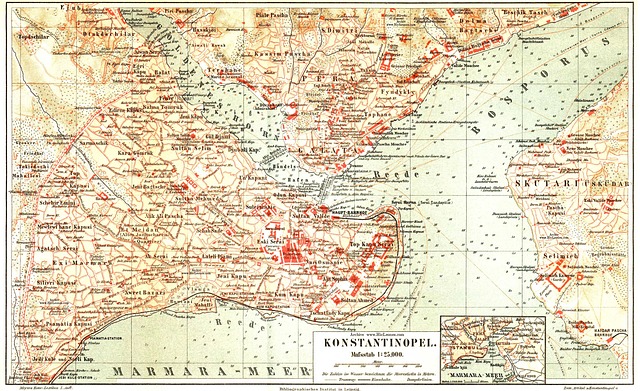








Sewer maps are critical tools for strategic decision-making in urban planning and finance. They offer detailed insights into municipal infrastructure, revealing population density hotspots and the age of drainage systems. By analyzing this data, lenders can assess property values, manage risks associated with outdated infrastructure, and structure tailored loans for sustainable development. Integrating sewer map information enables more informed investment choices, enhancing long-term portfolio viability.
In the intricate world of borrowing and financial strategy, effective data utilization is a game-changer. One often overlooked yet powerful tool is the sewer map—a comprehensive representation of an urban area’s underground infrastructure. This seemingly mundane resource offers profound insights into market dynamics, especially in densely populated cities. By analyzing sewer maps alongside market data, borrowers can navigate complex landscapes, identify trends, and make informed decisions. This article delves into the strategic implications, providing a roadmap for professionals to harness the potential of sewer map data and gain a competitive edge in today’s data-driven environment.
Understanding Sewer Maps: Unlocking Market Insights

Sewer maps, often overlooked, are a treasure trove of unexploited market insights for borrowers. These detailed visualizations represent municipal systems, providing a comprehensive view of underground infrastructure that is crucial for strategic decision-making in various sectors. Understanding sewer maps offers a unique lens to assess urban landscapes and predict future growth patterns.
For instance, analyzing these maps can reveal key trends such as population density hotspots, which directly impact real estate development strategies. Borrowing institutions can identify areas with high demand for residential or commercial spaces by studying the density of sewer connections. Moreover, examining the age and condition of municipal systems through sewer maps enables lenders to assess a region’s overall infrastructure health, influencing their risk assessment processes. For example, older sewer systems may indicate potential maintenance costs, while newer networks could signal recent urban renewal projects.
The strategic utilization of sewer map data allows borrowers to make informed choices regarding investment opportunities and project locations. By integrating these insights into their analysis, financial institutions can offer more tailored and accurate lending services. This approach ensures that decisions are not just based on surface-level market trends but also on the underlying infrastructure, leading to more sustainable borrowing strategies and a reduced risk of unforeseen challenges associated with municipal systems.
Data-Driven Strategy: Applying Sewer Map Analysis

Sewer maps are indispensable tools for urban planners, engineers, and investors alike, offering a wealth of insights into municipal systems that underpin modern cities. When leveraged effectively, these detailed visualizations become a cornerstone of data-driven strategies, profoundly impacting borrowing decisions and financial planning. By analyzing the intricate networks depicted in sewer maps, professionals can uncover critical trends and patterns that shape market dynamics. For instance, understanding the age and condition of sewers in a particular area can reveal potential infrastructure investment needs, influencing credit risk assessments and borrowing priorities.
In a data-rich environment, sewer map analysis provides a granular view of urban assets, enabling borrowers to make informed choices. Consider a municipality aiming to expand its water treatment facilities. A comprehensive study of the existing sewer network, as mapped, can reveal capacity constraints or congestion points, guiding investment strategies to enhance overall system efficiency. This proactive approach not only optimizes resource allocation but also ensures long-term sustainability and resilience. Furthermore, comparing historical data on sewer infrastructure with current market trends allows borrowers to anticipate future demands and adapt their financial plans accordingly.
The application of sewer map analysis extends beyond individual projects. Borrowers can employ these maps to assess the overall health and development potential of an entire region. For example, identifying areas with modern, well-maintained sewer systems versus those in need of significant upgrades provides insights into urban growth corridors and emerging markets. This information is invaluable for investment banks and lenders, enabling them to structure loans that align with sustainable development goals while mitigating risks associated with outdated infrastructure. By integrating sewer map analysis into their decision-making processes, borrowers can navigate market complexities with greater confidence.
Enhancing Borrowing Decisions: The Role of Mapping Data
Sewer maps have emerged as invaluable tools for enhancing borrowing decisions in urban planning and development. By providing a detailed visual representation of municipal systems, these maps offer profound insights into the underlying infrastructure that supports communities. This data is crucial for lenders and investors who seek to mitigate risks and maximize returns on their investments. For instance, a comprehensive sewer map can reveal the age and condition of drainage systems, enabling stakeholders to assess the potential for future upgrades or maintenance costs.
In practical terms, incorporating sewer map data into borrowing strategies allows for more precise risk assessment. Lenders can identify areas prone to flooding or sewage-related issues, which may impact property values and repayment capabilities. This proactive approach fosters informed decision-making, leading to better-structured loans tailored to the specific needs of different sectors. For example, a study analyzing historical data from various cities showed that properties with well-maintained sewer systems experienced lower default rates compared to those in regions with outdated or inadequate infrastructure.
Furthermore, sewer map municipal systems provide a holistic view of urban landscapes, facilitating strategic investments in underdeveloped areas. By identifying neighborhoods lacking modern sanitation facilities, investors can target these regions, contributing to much-needed infrastructure development and economic growth. This not only enhances the lives of residents but also creates opportunities for sustainable borrowing and lending practices. Experts suggest that lenders who integrate sewer map data into their assessment criteria stand to gain a competitive edge while ensuring the long-term viability of their portfolios.