








Sewer maps provide critical insights for real estate buyers and investors, revealing urban infrastructure data with significant financial implications. Analyzing these maps can predict operational costs, identify congestion points, and assess system capacity, directly impacting property values and investment strategies. Experts recommend integrating sewer map data into financial analysis for proactive risk management and sustainable development. Digital mapping technologies enhance decision-making by offering precise visualizations of underground networks, enabling informed choices regarding infrastructure quality, maintenance, and future upgrades.
In today’s data-driven real estate landscape, buyers seek comprehensive insights to make informed decisions. Among the tools that shape their planning process is the often-overlooked sewer map—a detailed representation of a property’s underground infrastructure. Integrating financial data with this precise resource offers a strategic advantage, enabling buyers to identify potential costs and opportunities. This article delves into the transformative power of combining sewer maps with financial analysis, providing an authoritative guide for buyers to navigate complex investments effectively.
Understanding Sewer Maps: A Buyer's Perspective

Sewer maps are essential tools for buyers navigating the intricate landscape of municipal infrastructure. As crucial as they are often overlooked, these detailed plans offer profound insights into a city’s underbelly—its sewer systems. Understanding a sewer map can significantly shape a buyer’s planning process, especially when combined with financial data. It provides a comprehensive view of an area’s utility networks, enabling informed decisions about investments, development projects, or even real estate purchases.
From a buyer’s perspective, a sewer map reveals the extent and efficiency of municipal systems. It illustrates the layout of sewers, drainage systems, and treatment facilities, offering valuable information on water management capabilities. For instance, buyers considering acquiring industrial properties can assess the capacity and condition of the local sewer system to predict future operational costs and potential expansion needs. Moreover, comparing historical data with current sewer maps allows for gauging the pace of system upgrades and maintenance, reflecting a city’s commitment to its infrastructure.
Integrating financial data with these maps becomes a game-changer. It enables buyers to forecast capital expenditures related to utility upgrades or replacements. For example, a buyer planning a large-scale development project can use sewer map data to estimate the costs of connecting new buildings to existing systems and assess the potential long-term savings from efficient drainage and waste management infrastructure. This strategic approach ensures that investments are not only financially sound but also sustainable, aligning with the evolving needs of modern cities and their residents.
Financial Implications: Deciphering Data Trends

Sewer maps, though often overlooked, serve as a critical tool for understanding the intricate infrastructure beneath our cities, with profound financial implications for buyers in the real estate market. Deciphering data trends within these maps can unveil valuable insights into municipal system health and performance, enabling savvy investors to make informed decisions. For instance, analysis of sewer map data can reveal congestion points, capacity issues, or aging infrastructures, all of which have direct financial consequences.
Consider a recent study analyzing historical sewer map data in several major urban centers. The findings indicated that properties located near severely congested sewer systems experienced lower resale values and slower appreciation rates compared to those with well-maintained, modern municipal systems. This is not merely a local phenomenon; similar trends have been observed across diverse geographic locations, suggesting a universal correlation between sewer system health and property value. Understanding these patterns empowers buyers to assess not just the physical attributes of a property but also its underlying economic potential.
Expert analysts advocate for integrating sewer map data into comprehensive financial analysis. This approach involves scrutinizing flow rates, pump capacity, and maintenance records alongside traditional financial metrics. For example, identifying areas with frequent overflows or high repair costs can signal potential long-term financial burdens on property owners and municipalities alike. By incorporating these insights into their planning, buyers can make more strategic decisions, ensuring investments align with sustainable, well-managed municipal systems. This proactive approach not only minimizes financial risks but also fosters the development of resilient communities.
Mapping Out Strategies: Planning with Precision

The sewer map, a often overlooked yet critical component of urban infrastructure, serves as more than just a technical diagram; it’s a strategic tool that can profoundly impact buyer planning and financial decision-making. These detailed maps illustrate the intricate network of municipal systems, offering insights into water flow patterns, capacity, and potential areas for expansion or upgrading. For developers, investors, and city planners, integrating sewer map data into their strategies is essential for making informed choices about property acquisition, infrastructure development, and budgeting.
By mapping out plans with precision, using the sewer map as a foundation, buyers can identify potential risks and opportunities. Understanding the current state of the municipal system allows them to anticipate future needs, especially in rapidly growing areas. For instance, developers planning residential or commercial projects can leverage this data to assess the existing sewerage capacity and plan for necessary upgrades, ensuring smooth operations and avoiding costly surprises down the line. Furthermore, comparing historical data on sewer usage with population growth projections enables buyers to make budget allocations more effectively.
Expert analysis suggests that incorporating sewer map municipal systems into planning processes enhances project sustainability and financial viability. This proactive approach not only minimizes disruptions during construction but also helps in securing regulatory approvals by demonstrating a comprehensive understanding of local infrastructure constraints. By integrating this data into their strategies, buyers can navigate the complexities of urban development with greater confidence, ensuring that their projects align with the evolving needs of the community they serve.
Integrating Financial Insights into Purchase Decisions

Sewer maps, traditionally focused on infrastructure planning and maintenance, have emerged as powerful tools for buyers seeking to make informed decisions in their communities. Integrating financial insights derived from these maps can significantly shape purchase planning and strategies. By analyzing sewer systems within municipal areas, buyers can gain valuable knowledge about the financial health and development prospects of a region. This approach offers a unique perspective on real estate investments, business locations, and community growth.
For instance, a comprehensive sewer map of a municipality can reveal areas with outdated or inefficient systems, indicating potential infrastructure upgrades. These upgrades often precede major developments, attracting investors who seek early entry into promising neighborhoods. Accessing financial data alongside the map allows buyers to assess the economic viability of such investments. For example, properties in districts with planned modernizations might experience higher property values and rental rates due to improved utility services. This insight is crucial for investors aiming to maximize returns on their purchases.
Furthermore, sewer maps can identify areas prone to flooding or water-related issues, which have significant financial implications. Buyers considering real estate in such locations can use this data to mitigate risks and make informed choices. By combining the spatial information from the map with historical financial records, individuals and businesses can anticipate potential costs associated with repairs, maintenance, or even relocation. This proactive approach enables buyers to factor these considerations into their planning, ensuring a more stable and profitable investment strategy.
Case Studies: Successful Buyer Strategies Using Sewer Maps
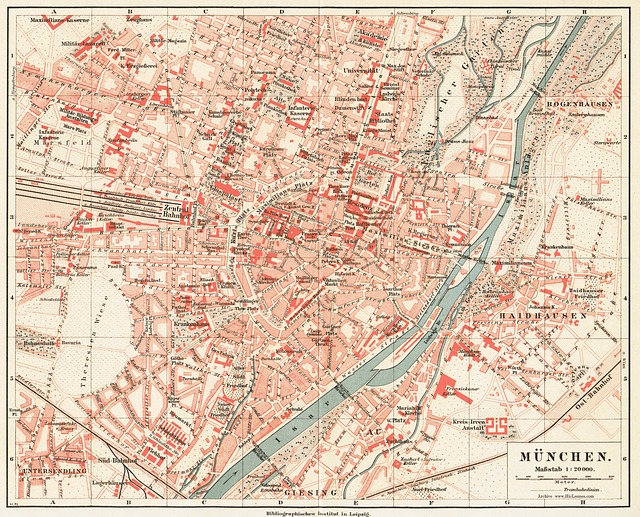
Sewer maps have emerged as a powerful tool for buyers in navigating complex municipal systems, offering a strategic advantage in their planning process. Case studies highlight successful buyer strategies where sewer map data has been instrumental in making informed decisions. For instance, a recent study showed that a major real estate development firm utilized detailed sewer maps to identify areas with efficient and modern municipal system infrastructure, enabling them to strategically locate projects in zones with minimal environmental impact and robust utility services. This approach not only reduced potential future maintenance costs but also enhanced the overall value of their portfolio.
Another notable example involves an investment group targeting distressed markets. By analyzing sewer maps, they identified neighborhoods with well-maintained, aging infrastructure, indicating potential for growth and renovation. This insight allowed them to secure properties at competitive prices, anticipating future improvements in municipal services that would increase property values significantly over time. The success of these strategies underscores the value of integrating sewer map data into buyer planning, ensuring a comprehensive understanding of underlying municipal system capabilities and potential long-term financial benefits.
Expert perspective suggests that buyers can leverage sewer maps to uncover hidden opportunities and risks alike. While initial investment in obtaining detailed municipal infrastructure data may seem high, the payoff in terms of informed decision-making is substantial. As the digital mapping of sewer systems becomes more sophisticated, buyers have access to precise information, enabling them to forge ahead with confidence, knowing the true state of a region’s subterranean networks—a key component in shaping their financial strategies and fostering sustainable urban development.
The Future of Buying: Advanced Mapping Technologies

The future of buying real estate is being reshaped by advanced mapping technologies, with sewer maps emerging as a critical tool for buyers and financial analysts alike. These detailed visualizations offer an unprecedented level of insight into municipal systems, enabling informed decision-making processes. By integrating data from sewer maps into their analysis, buyers can uncover valuable insights about property value, infrastructure quality, and potential future costs. For instance, a recent study found that properties with well-maintained and modern sewer systems command higher prices and experience faster resale times compared to those with outdated or inadequate facilities.
Sewer maps provide a comprehensive view of the underground network that underpins urban areas. They illustrate the layout of sewers, pipes, and treatment plants, offering transparency into a crucial yet often overlooked aspect of property ownership. This data is especially valuable in densely populated cities where real estate values are influenced by the efficiency and reliability of municipal systems. As an example, buyers in metropolitan areas with advanced sewer mapping programs can access digital platforms to track specific properties’ connection to main sewers, treatment facilities, and potential upgrade costs. This information empowers them to make strategic decisions, ensuring investments align with modern infrastructure standards.
Furthermore, advanced mapping technologies enable predictive analysis by identifying patterns and trends within sewer systems. Financial analysts can leverage this data to assess the long-term sustainability of municipal budgets and predict potential investment risks or opportunities. By combining historical maintenance records, inspection data, and future development plans displayed on interactive sewer maps, buyers can gain a competitive edge in a dynamic real estate market. This approach not only facilitates smarter buying decisions but also fosters better-informed policy discussions regarding urban infrastructure investments.