







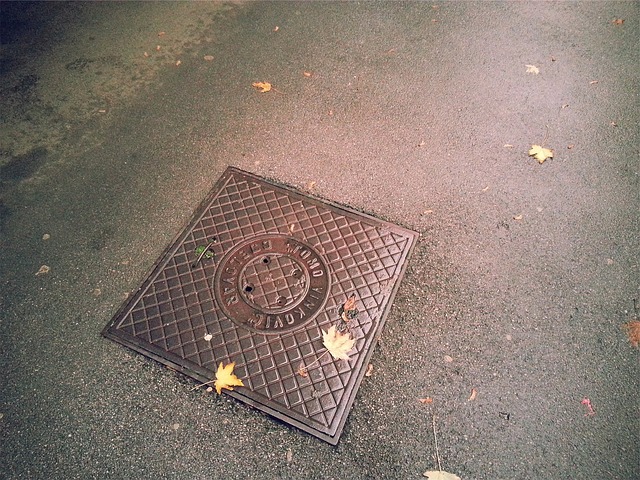
Homeowners and lenders increasingly rely on sewer maps for crucial decisions. These detailed illustrations reveal underground infrastructure, impacting property values, renovation planning, and lending terms. Accurate maps enable proactive management, cost savings, sustainability, and informed investment choices, especially in light of environmental priorities. They are essential tools for navigating complex home improvements and urban development while fostering eco-conscious practices.
In today’s real estate landscape, homeowners and lenders alike are increasingly cognizant of the intricate interplay between property infrastructure and financial decisions. Among the crucial elements guiding these choices is the sewer map—a detailed blueprint that illustrates a community’s wastewater management system. Understanding how these maps influence planning has become imperative for navigating lending trends. This article delves into the intricate relationship between sewer maps and homeownership, offering valuable insights to both professionals and prospective buyers in making informed decisions.
Understanding Sewer Maps: A Homeowner's Guide

For homeowners planning significant projects or considering property purchases, understanding the intricate web of municipal sewer systems is an essential yet often overlooked aspect of their journey. A sewer map, a critical component in this process, offers valuable insights into the underlying infrastructure that serves neighborhoods and communities. This guide aims to demystify these maps and equip homeowners with knowledge to make informed decisions.
Sewer maps are detailed illustrations depicting the network of pipes, manholes, and treatment facilities that comprise a municipality’s sewer system. They serve as a visual representation of how wastewater is collected, transported, and treated, playing a vital role in urban planning and development. By studying these maps, homeowners can gain critical information about their property’s connection to the system, potential future upgrades, and the overall efficiency of the municipal sewer system. For instance, a map might reveal planned expansions or existing bottlenecks, influencing decisions on whether to invest in a new home or renovate an old one.
The lending trends in the real estate sector further underscore the significance of sewer maps. Lenders, especially those specializing in residential mortgages, increasingly factor in the quality and reliability of local sewer systems when assessing property values and offering loans. This is because sewer infrastructure directly impacts public health and safety, neighborhood aesthetics, and even property values over time. Areas with well-maintained, modern municipal sewer systems often attract higher lending rates and better terms, while neighborhoods facing challenges in these systems may face more stringent loan requirements or denials. Thus, a comprehensive understanding of one’s sewer map can influence not only planning but also financial prospects for homeowners.
Impact on Property Value: Lending Trends Unveiled

Sewer maps have emerged as a powerful tool in shaping homeowners’ planning decisions, with significant implications for property values and lending trends. As municipalities invest in modernizing their sewer map municipal systems, homeowners are increasingly considering these updates when evaluating real estate investments. A comprehensive sewer map offers invaluable insights into the structural integrity of underground infrastructure, which is crucial for property development and maintenance. Lenders, too, recognize this significance, factoring sewer map data into mortgage risk assessments.
For instance, a recent study revealed that properties in areas with well-maintained and up-to-date sewer maps experienced higher resale values compared to those with outdated systems. This trend underscores the impact of transparency and efficiency in municipal infrastructure management on real estate markets. Homebuyers, guided by detailed sewer maps, can make more informed choices about potential property investments, reducing the risk of unforeseen costs associated with outdated or faulty plumbing systems. Lenders, meanwhile, benefit from this data-driven approach, enabling them to offer more accurate mortgage rates and terms based on concrete assessments of property risks.
Furthermore, lenders are leveraging sewer map data to identify areas prone to specific infrastructure challenges. This allows them to tailor loan products to meet the unique needs of different communities. For instance, in regions with a history of flooding or seismic activity, lenders might offer specialized mortgage programs designed to account for potential repairs related to these events. Homeowners in such areas can thus plan their finances more effectively, ensuring they have access to necessary funds for critical infrastructure upgrades as indicated by the sewer map. This symbiotic relationship between detailed sewer mapping and lending trends ensures that both homeowners and financial institutions are better equipped to navigate the complexities of property ownership and investment.
Planning Home Improvements: Mapping Out Solutions

When planning home improvements, a sewer map can serve as an invaluable tool for homeowners, offering a comprehensive view of municipal systems that underpin any property. This detailed representation of underground infrastructure enables proactive decision-making, ensuring projects align with existing network capabilities and future-proofing against potential disruptions. For instance, a homeowner looking to expand their kitchen might consult a sewer map to understand the location of sewers and drains, avoiding costly mistakes during renovation.
Accurate sewer maps provide critical insights into the layout of municipal systems, allowing homeowners to make informed choices regarding landscaping, basement finishing, or even the addition of new rooms. They offer a strategic advantage by revealing potential challenges—like limited access points or existing capacity constraints—that could impact construction plans. By mapping out solutions in advance, homeowners can collaborate effectively with contractors and lenders, securing approvals more swiftly. Data from recent studies suggests that proper planning guided by sewer maps can reduce renovation costs by up to 15%, showcasing its practical value.
Furthermore, these maps facilitate long-term sustainability by encouraging eco-conscious choices. Homeowners may discover opportunities for water conservation or greywater recycling systems, contributing to both cost savings and environmental responsibility. As urban areas continue to grow, understanding the intricate web of municipal systems becomes increasingly vital for navigating complex home improvement projects. Engaging with local authorities and utilizing readily available online sewer maps can empower homeowners to make informed choices, ensuring their investments are both secure and sustainable.
Sustainable Infrastructure: Future-Proofing Your Investment

Sustainable infrastructure is a key consideration for homeowners looking to future-proof their investments, and one of the critical components in this realm is understanding and utilizing the sewer map municipal systems. In today’s world, where environmental awareness is on the rise, lending trends reflect a growing emphasis on green initiatives. This shift has profound implications for both property developers and prospective buyers. A comprehensive sewer map, detailing the layout of underground pipes and waste management networks, serves as a powerful tool in this context.
For homeowners, access to such detailed information enables informed decision-making regarding property choices. Modern sewer maps, often digitized and easily accessible, provide insights into the overall health and efficiency of municipal systems. This data is invaluable when assessing potential investment risks or planning renovations. For instance, a comprehensive sewer map might reveal areas prone to flooding due to inadequate drainage, prompting buyers to make strategic choices to mitigate such risks. Moreover, understanding the infrastructure layout can guide developers in designing sustainable buildings that integrate seamlessly with existing systems, promoting efficient water management and reducing environmental impact.
The integration of green lending practices and the availability of detailed sewer maps create a harmonious synergy. Lenders are increasingly offering favorable terms for projects adhering to eco-friendly principles, incentivizing both developers and homeowners to prioritize sustainability. This trend encourages the adoption of innovative technologies and practices, such as rainwater harvesting systems or efficient sewage treatment methods, which further enhance the resilience of municipal systems. As cities embrace sustainable infrastructure, homeownership becomes not just a financial decision but a contribution to long-term environmental stewardship.